
Dutch public holidays 2027 and what they mean for your visit
· by Robin Lenskens · Updated
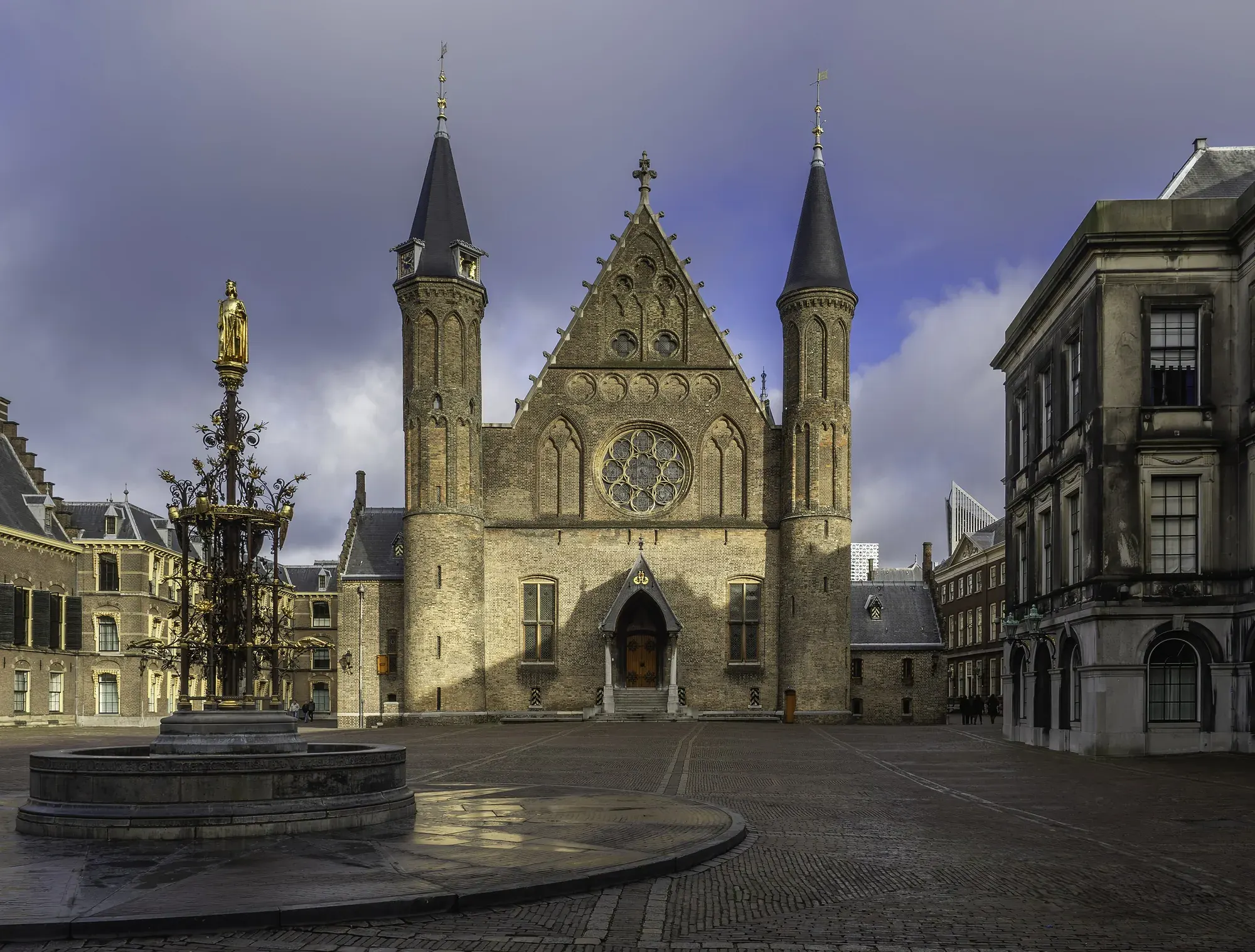
The Dutch government lists eleven official holiday dates for 2027, and most of them will barely affect your trip. Shops in the larger cities open on almost all of them, the big museums open on almost all of them, and trains run. The two days that really close the country are Christmas Day (25 December) and New Year’s Day (1 January). The one to plan around is King’s Day, Tuesday 27 April 2027, which is a nationwide street party rather than a day off. This post lists the dates, explains what actually closes, and covers the everyday opening-hour quirks (Sunday, Monday morning) that surprise more visitors than the holidays do.
We refresh this post every autumn with the next year’s dates. If you are planning a trip for a specific week, our guide to the best time to visit the Netherlands covers weather and crowds by month.
What are the official Dutch public holidays in 2027?
These are the days the Dutch government lists as official holidays for 2027, with one extra date that matters to visitors (Remembrance Day on 4 May) added.
| Date | Day | Holiday | Dutch name | What closes |
|---|---|---|---|---|
| 1 January 2027 | Friday | New Year’s Day | Nieuwjaarsdag | Almost everything: shops, most museums |
| 26 March 2027 | Friday | Good Friday (not a shop holiday) | Goede Vrijdag | Shops open, must close by 19:00 |
| 28 March 2027 | Sunday | Easter Sunday | Eerste Paasdag | Sunday hours where permitted |
| 29 March 2027 | Monday | Easter Monday | Tweede Paasdag | Shops need municipal permission; most cities have it |
| 27 April 2027 | Tuesday | King’s Day | Koningsdag | Many shops in party areas; museums keep reduced hours |
| 4 May 2027 | Tuesday | Remembrance Day (not a holiday) | Dodenherdenking | Shops must close by 19:00; two minutes’ silence at 20:00 |
| 5 May 2027 | Wednesday | Liberation Day | Bevrijdingsdag | Shops and museums mostly open |
| 6 May 2027 | Thursday | Ascension Day | Hemelvaartsdag | Shops need municipal permission; most cities have it |
| 16 May 2027 | Sunday | Whit Sunday | Eerste Pinksterdag | Sunday hours where permitted |
| 17 May 2027 | Monday | Whit Monday | Tweede Pinksterdag | Shops need municipal permission; most cities have it |
| 25 December 2027 | Saturday | Christmas Day | Eerste Kerstdag | Almost everything: shops, most museums |
| 26 December 2027 | Sunday | Boxing Day | Tweede Kerstdag | Shops need municipal permission; many open |
Two things worth knowing about the list. First, there is no legal right to a day off on any of these dates; whether people work depends on their employment contract. Second, Good Friday and Liberation Day are on the government’s list but many people work as normal, so from a visitor’s point of view they behave like ordinary days with slightly quieter streets. Note that in 2027 Liberation Day and Ascension Day fall on consecutive days, so 5 to 9 May will feel like a long weekend for the Dutch.
Source: Rijksoverheid, official holidays.
What is actually closed on a Dutch public holiday?
Less than you would expect, and it depends on the city. The Dutch Shop Hours Act starts from the assumption that shops are closed on Sundays and public holidays, and then lets each municipality decide whether to allow opening. The larger cities have used that freedom generously. Three rules apply everywhere:
- Shops must close by 19:00 on Good Friday, 4 May and 24 December.
- Shops at railway stations and airports, pharmacies, filling stations, shops in hospitals and shops mainly selling newspapers may open on Sundays and holidays whatever the municipality decides. On Christmas Day the station shop is often the one place to buy a sandwich.
- On weekdays and Saturdays the legal window is 06:00 to 22:00; actual shop hours are much narrower.
What that looks like in practice in a large city such as The Hague: shops are closed on Christmas Day and New Year’s Day, and open with Sunday-style hours (typically 12:00 to 18:00 or 19:00) on Easter Monday, King’s Day, Whit Monday and Boxing Day. Smaller towns and villages are more likely to stay shut on the religious holidays, so if you are staying somewhere small, buy your groceries the day before.
Restaurants and cafés set their own hours and are not covered by the Shop Hours Act. Most open on holidays, and Christmas Day is the one day many close or run a set menu on reservation. Supermarkets in cities usually open on the holidays where shops may open, with shorter hours; on Christmas Day and New Year’s Day check your local branch before you count on it.
Source: Business.gov.nl, trading hours; The Hague hours from the city’s visitor site denhaag.com.
Are museums open on public holidays?
Mostly yes, and this is where the Netherlands is easier than many countries. The Rijksmuseum in Amsterdam opens every day of the year from 09:00 to 17:00, public holidays included. The Mauritshuis in The Hague publishes a holiday schedule each year: in 2026 it opened on Good Friday, Easter, Liberation Day, Ascension Day, Whitsun and Boxing Day at normal hours, opened from 13:00 on King’s Day and Remembrance Day, closed at 16:00 on Christmas Eve and New Year’s Eve, and closed only on Christmas Day and New Year’s Day. The same list already shows the museum closed on 1 January 2027 and open on 26 December 2026; the full 2027 schedule had not been published in November 2026, so check the page before you go. The Van Gogh Museum says it opens daily from 09:00; check its ticket calendar for the exact hours on 25 December and 1 January.
The general pattern across Dutch museums:
- Closed: Christmas Day and New Year’s Day, at most museums. A minority (the Rijksmuseum among them) open even then.
- Reduced hours: King’s Day and 4 May, often opening at 13:00 or closing early.
- Open as normal: every other holiday, including Easter Monday, Ascension Day and Whit Monday.
Holidays are also busy days at the big museums, especially Easter Monday, Ascension Day and Whit Monday, when many Dutch, Belgian and German visitors have the day off. Book timed tickets; the Rijksmuseum asks every visitor to book a start time. If you are visiting several museums, our post on the museum pass explains whether it is worth it for a short trip.
Sources: Rijksmuseum opening hours, Mauritshuis special opening hours, Van Gogh Museum opening hours.
Are shops open on Sunday in the Netherlands?
In the larger cities, yes, usually from 12:00 to 17:00 or 18:00. The word to know is koopzondag, “shopping Sunday”. Amsterdam, Rotterdam, The Hague, Utrecht, Haarlem, Delft, Leiden and Maastricht all have shops open every Sunday in the centre. In The Hague, for example, the typical Sunday hours are 12:00 to 18:00. Smaller towns may limit Sunday opening to one Sunday a month or none at all, and even in cities the independent shops in side streets often stay closed. Supermarkets in cities open on Sunday, generally with shorter hours.
Museums, attractions, restaurants and cafés treat Sunday as a normal, often busy, day.
Why is everything shut on Monday morning?
Because Monday morning is the traditional half-day off for Dutch retail. In most city centres shops open on Monday at 12:00 or 13:00 instead of 09:30 or 10:00; The Hague lists Monday as 12:00 to 18:00 against 10:00 to 18:00 the rest of the week. Some museums follow the same logic. The Mauritshuis opens at 13:00 on Monday and at 10:00 from Tuesday to Sunday; a number of smaller museums close all day on Monday. Before you build a Monday around a particular museum, check its site.
Thursday is the opposite: koopavond, late-night shopping, when city-centre shops stay open until 21:00.
Sources: denhaag.com and the Mauritshuis visitor FAQ.
What happens on King’s Day, 27 April 2027?
The whole country has a street party, and the King goes to Lelystad. King’s Day marks the birthday of King Willem-Alexander, who turns 60 on 27 April 2027. It is celebrated on 27 April every year, or on 26 April when the 27th falls on a Sunday; in 2027 it is a Tuesday. The royal family visits one town each year, and the Royal House has announced Lelystad, in Flevoland, for 2027.
What to expect wherever you are:
- Orange everywhere. People wear orange, the colour of the royal House of Orange-Nassau, and the streets are dressed in it.
- Vrijmarkt. The free market: on this one day anyone may sell second-hand goods on the street without a permit. Children sell toys on blankets, adults sell the contents of their attic, and whole neighbourhoods turn into flea markets. Utrecht’s runs through the night before.
- King’s Night. The evening of 26 April brings live music and street parties in the big cities, The Hague and Utrecht especially.
- Crowds and closures. Roads are closed, boats fill the Amsterdam canals, and the Netherlands Board of Tourism advises using public transport. NS runs a special “Oranje” timetable with extra and longer trains around the big cities, but some stations close (in 2026, Amsterdam RAI and Amsterdam Science Park), and international EuroCity trains run a Sunday schedule with some changes. Check the NS journey planner on the day rather than relying on the usual pattern.
For visitors, King’s Day is a wonderful day to be in a Dutch city and a poor day to do anything that needs a museum, a shop or a quiet canal. Our private tours run on King’s Day, and a walk through the vrijmarkt with a guide who can explain what is going on is one of the more memorable ways to see it, but if you want the Rijksmuseum or a peaceful Delft, pick another day.
Sources: Royal House, King’s Day 2027 in Lelystad, holland.com on King’s Day; train details from the NS press release on the 2026 King’s Day timetable.
What happens on 4 and 5 May?
4 May is Remembrance Day, 5 May is Liberation Day, and together they are the most solemn and then the most cheerful 48 hours of the Dutch year.
On 4 May at 20:00 the whole country observes two minutes’ silence for the Dutch victims of war. Much of the traffic comes to a halt, cafés turn the music off, and people stand still in the street. The national ceremony takes place on Dam Square in Amsterdam in the presence of the King. Shops must close by 19:00. If you are out at 20:00, stop where you are and stay quiet for two minutes; that is all that is expected of you. Museums and shops are open during the day, some with later opening (the Mauritshuis opened at 13:00 in 2026).
On 5 May, Liberation Day, the country celebrates the end of the German occupation in 1945. Fourteen Liberation Festivals (Bevrijdingsfestivals) take place across the country with free outdoor concerts, and the day ends with the 5 May Concert on the Amstel in Amsterdam. Some employers give the day off, but shops and museums generally open as normal. In 2027 it falls on a Wednesday.
Sources: National Committee for 4 and 5 May, 4 May and 5 May.
What is Prinsjesdag, and is it worth being in The Hague?
Prinsjesdag is the state opening of the parliamentary year, held on the third Tuesday of September, and it is the best day of the year to be in The Hague if you like ceremony. In 2027 the third Tuesday of September is 21 September. The King rides in the Glass Coach from Noordeinde Palace to deliver the Speech from the Throne. While the Binnenhof is being renovated, the speech is given in the Koninklijke Schouwburg (Royal Theatre) instead of the Ridderzaal; that has been the case every year since 2022, most recently on 15 September 2026, and no return date to the Ridderzaal has been announced, so expect the Schouwburg again in 2027. Afterwards the Minister of Finance carries the famous briefcase with the national budget to the House of Representatives.
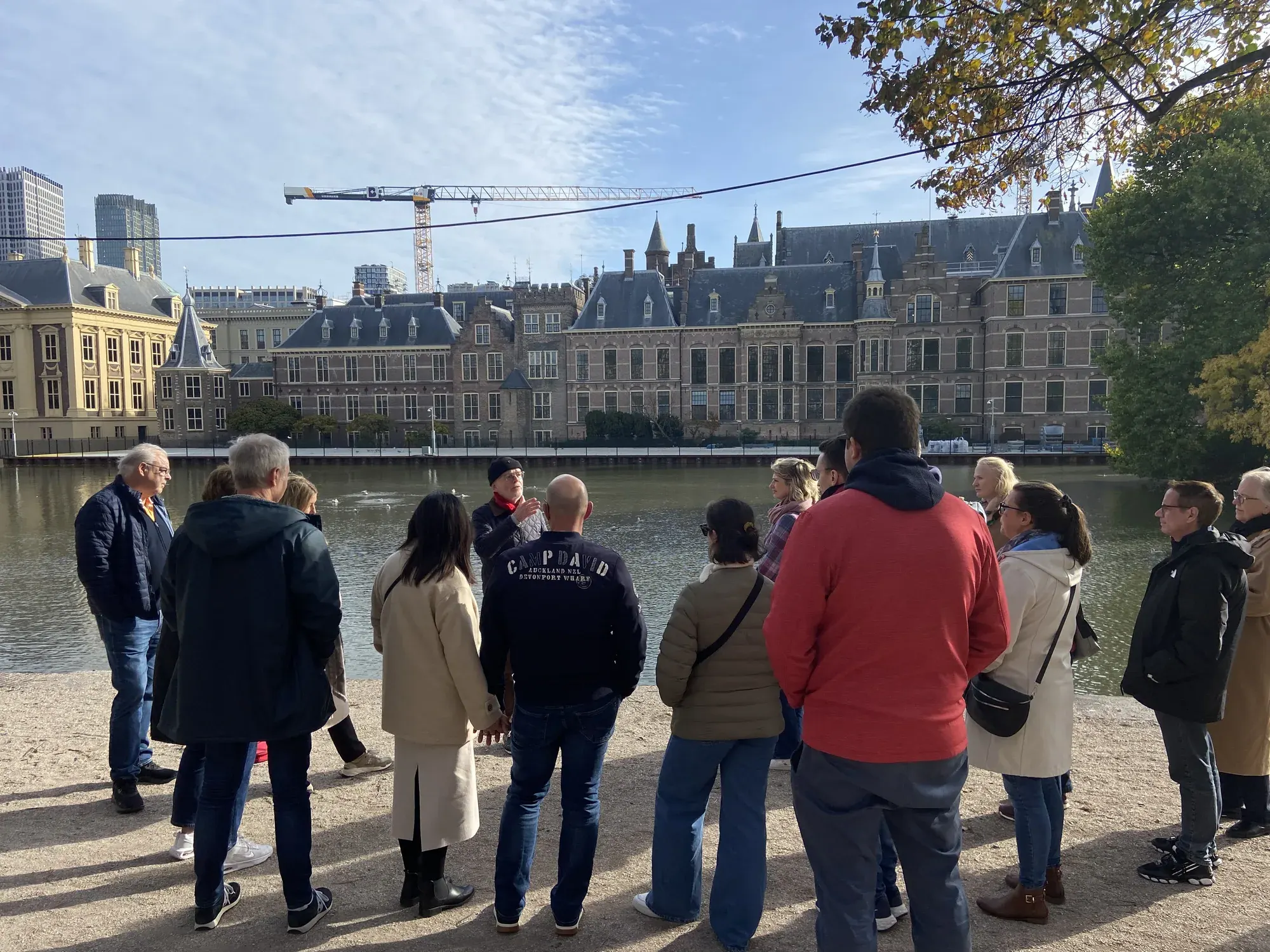
The procession route through the centre is lined with crowds, military bands and mounted escorts from late morning. It is free to watch from the street. The centre is busy and parts of it are closed to traffic, so arrive by train. Our sister brand Discover The Hague runs private walking tours of the political centre, and our destination guide to The Hague covers what else to see there.
Sources: Rijksoverheid, Prinsjesdag ceremony, Parlement.com, Prinsjesdag 2026.
What is Sinterklaas, and does it close anything?
Sinterklaas is the Dutch Saint Nicholas, and the evening of 5 December (pakjesavond) is when Dutch families exchange gifts and poems. It is not a public holiday, but it is a bigger family evening than Christmas Eve for many Dutch households, and some shops and restaurants close earlier than usual on 5 December. The saint’s official arrival by steamboat (the intocht) takes place in a different town each year on a Saturday in mid-November, with local arrivals in almost every town the same weekend; in 2026 the national arrival is on Saturday 14 November in Grave, in the municipality of Land van Cuijk. From that weekend until 5 December, shop windows, bakeries and school children are all about Sinterklaas, and only after 5 December does the country switch to Christmas. The Mauritshuis, for what it is worth, stays open on 5 December at normal hours.
Sources: the NTR and the municipality of Land van Cuijk (as reported by Omroep Brabant), and the Mauritshuis special opening hours.
Do private tours run on public holidays?
Yes. Our guides work on holidays, including King’s Day, Easter and Boxing Day, and a walking tour is one of the few things in the Netherlands that is unaffected by a shop or museum closing. When a booking lands on a holiday, we check the opening hours of any venue on the route (a church, Royal Delft, the Mauritshuis) before we confirm, and we tell you if something on your wish list will be shut, so you can move the date or swap the stop. The only day we advise against is Christmas Day itself, because most cafés, shops and museums are closed and the streets are empty; on every other date, including 26 December and 1 January, a tour works well.
Frequently asked questions
Are shops open on Easter Monday in the Netherlands?
In the big cities, yes, usually with Sunday hours (about 12:00 to 18:00). Easter Monday is a public holiday and shops need municipal permission to open, which Amsterdam, Rotterdam, The Hague and Utrecht grant. Smaller towns often stay closed. Museums open as normal and are busy, so book timed tickets.
Is Good Friday a holiday in the Netherlands?
It is on the government’s list, but for most people it is a working day. Shops, museums, supermarkets and restaurants open, with shops required to close by 19:00. From a visitor’s point of view, Good Friday behaves like a slightly quieter Friday. Easter Monday is the day that is actually off for most Dutch workers.
Is everything closed on King’s Day?
No, but it feels like it in the party areas. Shops in cities may open with holiday hours but many in the centre choose not to. Museums open with reduced hours (the Mauritshuis opened at 13:00 in 2026, the Rijksmuseum keeps normal hours). Streets are closed to traffic and trains are crowded. Treat it as a festival day, not a sightseeing day.
What is closed on Christmas Day in the Netherlands?
Shops, supermarkets and most museums close on 25 December, and many restaurants either close or serve a set menu by reservation. The Rijksmuseum is a rare exception and opens every day of the year. Trains run; check the NS journey planner for the day. Boxing Day (26 December) is different: shops in many cities open, and museums generally open at normal hours.
Does the two minutes’ silence on 4 May apply to tourists?
Yes, and it is easy to respect. At 20:00 on 4 May everyone in the country stops for two minutes: much of the traffic halts, and people in cafés and streets stand still. If you are outdoors at that moment, stop and stay quiet. Nobody expects you to know the history, only to keep still for two minutes.
When is Prinsjesdag in 2027?
Tuesday 21 September 2027, the third Tuesday of September. The King’s procession in the Glass Coach runs through the centre of The Hague around midday, and the Speech from the Throne is given in the Koninklijke Schouwburg while the Binnenhof is under renovation. It is free to watch from the street; arrive by train, as the centre is closed to cars.
Planning a trip around a Dutch holiday?
We run private tours seven days a week, public holidays included, and for every booking we check the opening hours of each venue on the route before we confirm. Two tours that work well on a holiday:
- Private tour of The Hague, Delft & Rotterdam: a full day of about 8 hours with lunch in Delft, a Cube House visit in Rotterdam and the transfers between the cities, from €600 (the price depends on the size of your group).
- Private walking tour of The Hague: about 2 hours through the royal palaces and the parliament district, €199 per group.
Both are private, for up to 20 people per guide, and our tours run in English, Dutch, German, French, Spanish and Italian. Tell us your interests, and any museum or church you want to fit in, in the booking comment, and the guide plans the day around them. For a trip of several days, describe your dates on plan my trip, or browse all private tours.